Camping Packing List by Trip Length (Overnight to a Full Week)
Most packing lists are written for one length of trip and then applied to every trip, which is why people carry four days of clothing on an overnight and run out of fuel on day five. What you pack does not scale evenly with time — some things barely move, and two things grow fast enough to reshape the whole pack.
This is what actually changes, from one night to a full week.
The two things that grow, and the one that doesn’t
Before the breakdowns, the principle that makes all of them make sense.
Food and fuel scale directly with days. Two nights is roughly double one night. Seven is roughly seven times. There is no clever way around this, and past about four days it becomes the heaviest thing you carry.
Clothing does not scale. This is the part people get wrong most often. Beyond one spare set, you are not adding clothing for a longer trip — you are adding a way to dry what you already have. A week does not need seven shirts.
Shelter, sleep system, first aid, navigation and the layering system stay identical. A tent for one night is the same tent for seven.
So a longer trip is mostly a food-and-fuel problem wearing a packing-list costume.
Overnight — one night out
The simplest trip there is, and the one people most reliably overpack for.
You are wearing almost everything you own for this trip. The clothing question is small: what you walk in, one warm layer for when you stop, a shell, and a dry set to sleep in. That is the whole clothing list. There is no laundry problem, no drying problem, and no need for a spare of anything except socks.
Food is one dinner, one breakfast, and enough snacks for the walking. Many people skip the stove entirely on an overnight and eat cold, which removes fuel, pot and cleanup in one decision.
What people get wrong: packing as though it were a weekend. A change of clothes you will not wear, a second meal you will not eat, and a book you will not open are all things that get carried up a hill and back down untouched.
The overnight test: lay out everything, then remove anything you cannot say when you will use it. On a single night out, “just in case” applies to safety gear and nothing else.
Weekend — two to three days
The most common camping trip, and the first one where a second day of wear starts to matter.
This is where drying becomes a real consideration. Socks worn on day one are damp on day two, and damp socks are the single most common source of weekend misery. Two pairs plus a dry pair reserved for sleeping covers it. The same logic applies to a base layer if the weather is wet.
Food becomes worth planning rather than grabbing. Two dinners, two breakfasts, and lunches you can eat without stopping to cook. A stove earns its weight here in a way it does not on a single night, because a hot meal at the end of two long days is worth more than the same meal after one.
Water planning also begins here: you need to know where your sources are for day two rather than simply carrying what you need.
There is a full weekend breakdown if this is the length you camp most.
What people get wrong: treating the weekend list as the master list and then adding to it for longer trips. It is a good baseline, but the things that matter on day five are not on it at all.
Four to five days — the turning point
This is where the arithmetic flips. Up to about three days, clothing and shelter dominate the pack. From four or five days, food and fuel do.
That single change drives everything else:
- Fuel becomes a calculation, not a guess. Running out on day four with three days of dried food left is a genuinely bad position. Work out how many hot meals you actually plan to cook and carry accordingly, with margin.
- Food repetition starts to matter. Meals that seemed fine for two days become hard to face by day four. Variety is not a luxury on longer trips; people who stop eating properly get cold and make poor decisions.
- Drying stops being optional. You need a plan — a line, a spare dry set that never gets worn while walking, and the habit of drying things during the day rather than hoping the night does it.
- Small consumables run out. Batteries, water treatment, blister tape, sunscreen. Each is trivial to carry and genuinely disruptive to run out of.
What people get wrong: multiplying the weekend list by two. The clothing does not need doubling; the food and fuel need real thought, and the consumables need counting.
A full week and beyond
A week is not a packing problem. It is a planning problem.
Nobody comfortably carries seven days of food and fuel alongside everything else, which is why the question stops being “what do I pack” and becomes “where do I resupply.” A trip planned around a resupply point at day four is a very different trip from one carrying everything from the start — lighter, more flexible, and far more pleasant.
The other things that only appear at this length:
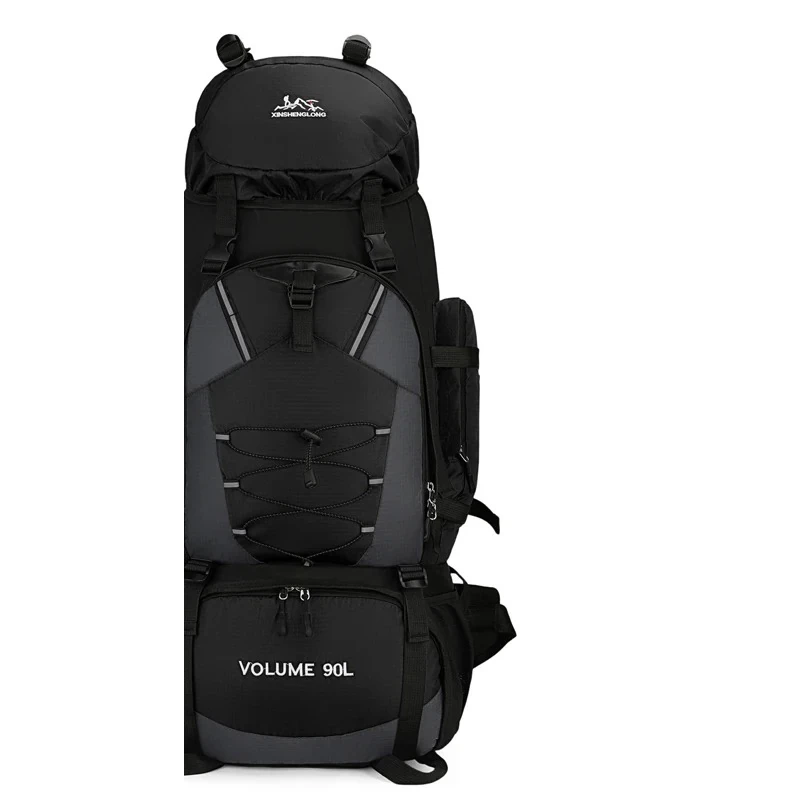
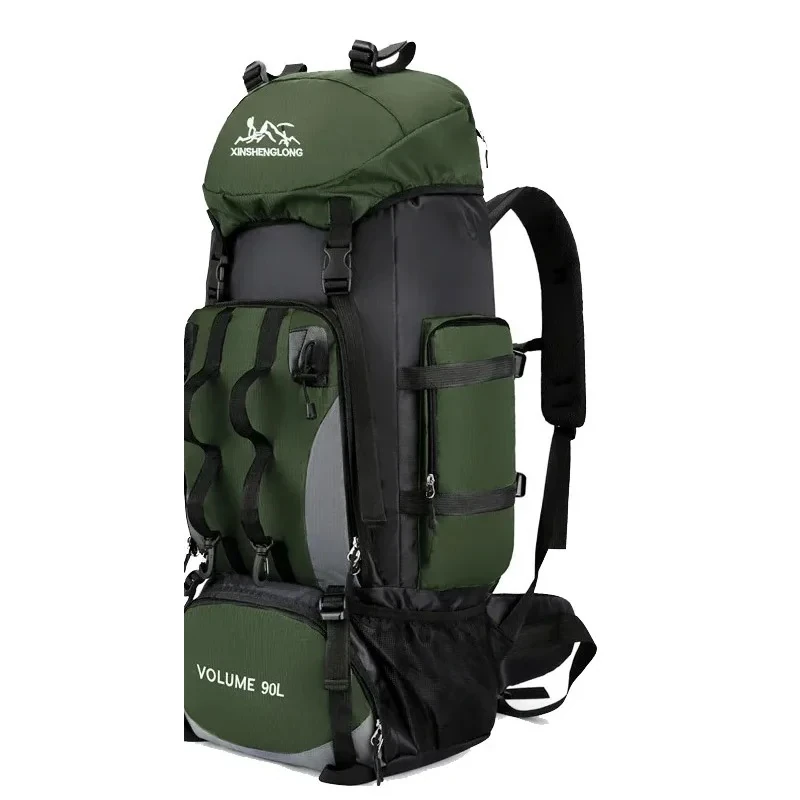
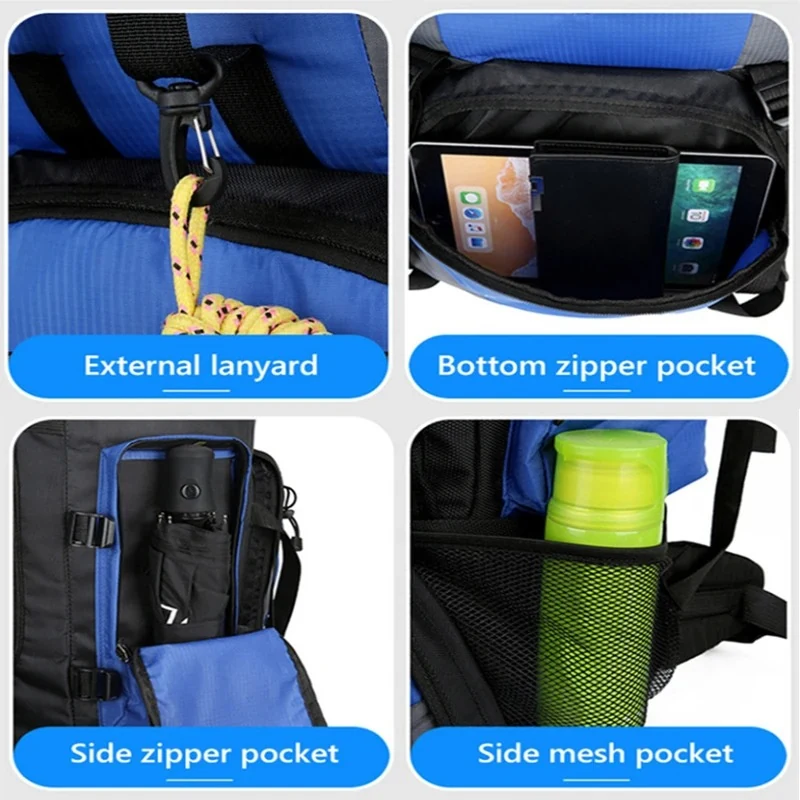
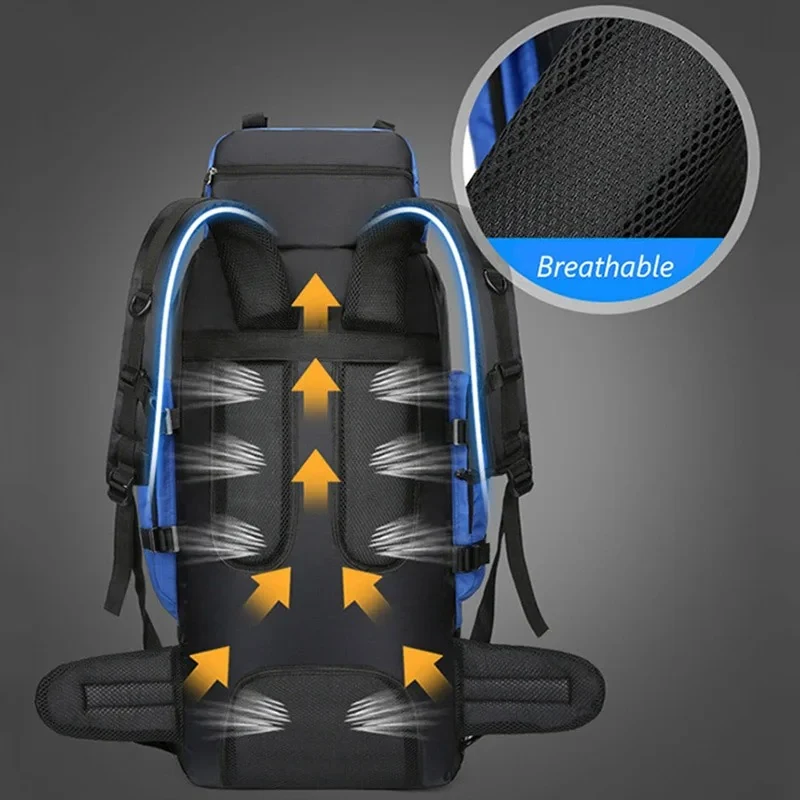
- Pack capacity. A 40-50L overnight bag runs out of room once you’re carrying several days of food and fuel rather than one — a larger-capacity pack (70L+) is what actually makes a week-long carry manageable, not stuffing more into a smaller one.
- Personal hygiene becomes a real category rather than an afterthought. A week without any plan for it is unpleasant for you and for whoever you are with.
- Power. Phone, head torch, anything else. A week outruns most batteries, and a small power bank or spare cells stop being optional.
- Repair. Over seven days something breaks — a strap, a pole, a sole, a zip. A few metres of tape, a needle and thread, and a couple of spare buckles weigh almost nothing and save a trip.
- Boredom, honestly. Long evenings are long. Something to read or play matters more than people admit.
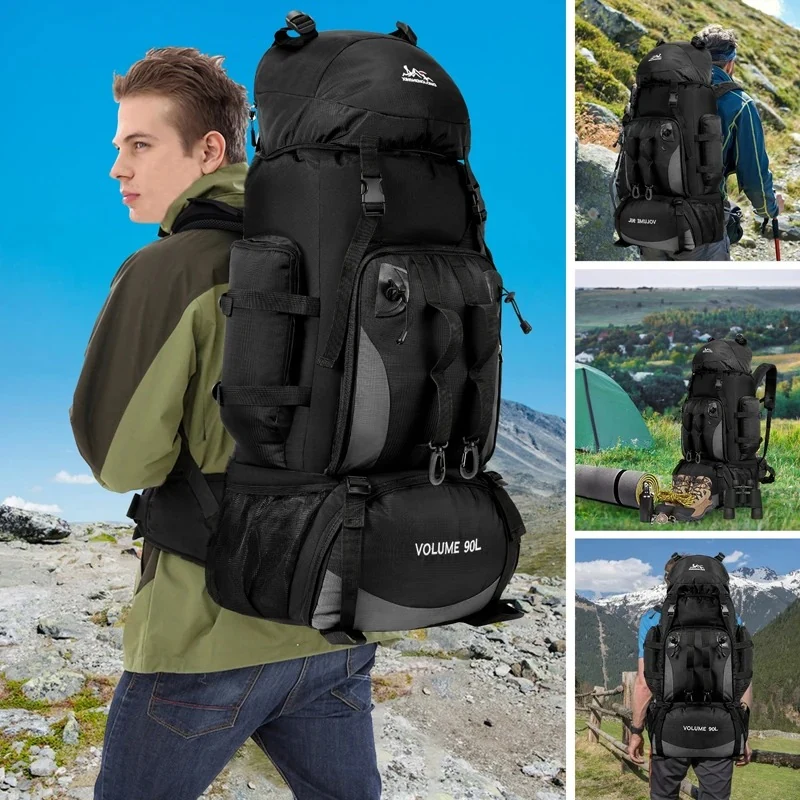
What people get wrong: carrying the whole week from the trailhead when a resupply was available, and packing more clothing rather than more of a drying plan.
What never changes, at any length
This is the short list, and it is the same whether you are out for one night or seven:
- The layering system. Base, mid, shell. The weights change with the season, never with the trip length.
- Shelter and sleep system, including whatever goes under you. The ground takes heat at the same rate on night one and night seven.
- First aid, and knowing how to use it.
- Navigation, and a way to signal for help.
- A means of treating water.
- Headtorch.
If a trip is longer, this list does not grow. Only the consumables do.
The quickest way to build any list
Work through it in this order and the length takes care of itself:
- Start from the fixed list above. It is the same every time.
- Add the layering system for the season, not for the number of days.
- Add one dry sleep set, whatever the trip length.
- Multiply food and fuel by the number of days, with margin.
- Count the consumables — batteries, treatment, tape — against the days.
- For anything past four days, ask where you resupply before you ask what else to carry.
That order is why a week-long list is not seven times a one-night list. Five of the six steps barely move.
A note on weight
Every extra item costs you on every step of the trip, and the cost compounds with distance. The most reliable way to enjoy a longer trip is not better gear — it is fewer things, chosen deliberately, with a clear plan for food, fuel and water.
If you are trimming, trim from clothing and comfort items first. Never trim from the fixed list.
Quick answers
Does a longer camping trip need more clothes? Not proportionally — clothing barely scales with trip length beyond one spare set and a drying plan. Food and fuel are what actually grow with each extra day.
What changes most between a weekend and a week-long trip? Past about four days, the question shifts from what to pack to where you resupply — carrying a full week of food and fuel from the start is rarely the lightest or most enjoyable option.
What never changes regardless of trip length? The core fixed list: layering system, shelter and sleep system, first aid, navigation, water treatment and a headtorch. Only the consumables scale with days.
What is the biggest packing mistake on longer trips? Doubling the clothing list instead of planning food, fuel and a drying routine — clothing is rarely what runs short on a longer trip.
The full kit pairs this with the Survival Cards deck — so you’re not only packed right, you know what to do when the day goes sideways.
Learn it properly, before you need it
Survival Cards turns this and 88 other skills into a deck you can play round a fire — $19, print at home. See what's inside →
Related guides
Packing List for a Weekend Camping Trip (2 Nights, Done Right)
A weekend camping packing list for a 2-night trip — clothing for two full days, sleep and cooking gear, and how to avoid packing for a week-long trip by mistake.
lightweight packing list for backpackingLightweight Packing List for Backpacking
A lightweight backpacking packing list for people who want a manageable pack weight without buying into full ultralight gear and its tradeoffs.
backpacking packing checklistBackpacking Packing Checklist for Beginners (Overnight Trips)
An overnight backpacking checklist covering layering, shelter, sleep system, cooking, how to load the pack, and the weight tradeoffs beginners get wrong.
day hike packing listDay Hike Packing List: What to Actually Bring (and Skip)
A practical day hike packing list covering clothing layers, water, food, and safety essentials — without the bloated 40-item lists that make you overpack.