How to Choose a Backpacking Pack (Fit Before Features)
Most people choose a backpacking pack by capacity, color, or price, in that order. None of those three decide whether the pack is actually comfortable eight hours into a trail. Fit does — and fit is the thing a product listing can’t show you, which is exactly why it gets skipped.
Torso length decides fit, not your height
A tall person and a short person can have the same torso length, and two people the same height can need different pack sizes entirely. What matters is the distance from the bony bump at the base of your neck to the point level with the top of your hip bones — that’s the torso length a pack’s back panel needs to match.
A pack too long for your torso puts the hip belt too low, so it rides on your hips instead of carrying weight through them, and your shoulders end up doing the work the belt was supposed to do. A pack too short does the opposite — the hip belt sits above your hips, digging into your waist. Neither is fixable with tighter straps. If you can, measure your own torso length before you buy, rather than assuming a size from height alone.
What the capacity number actually tells you
Capacity is the second decision, and it’s simpler than it looks once you separate it from trip length rather than treating it as a single “how big” question:
- 30–45L covers an overnight or a light weekend, especially if you’re not carrying a shared tent or cooking gear.
- 50–65L is the range most three-to-five-day trips actually need, including shelter, a sleep system, and food for the stretch.
- 65L+ is for winter loads, longer resupply-free stretches, or carrying gear for someone else — not a default “to be safe” choice.
The trip-length breakdown covers what actually grows as a trip gets longer, which is the real driver of how much pack you need — food and fuel, not clothing.
The back system is what you’re actually paying for
Two packs with identical capacity numbers can feel completely different on an actual trail, and the difference is almost always the back system, not the fabric or the color. A few things worth checking specifically:
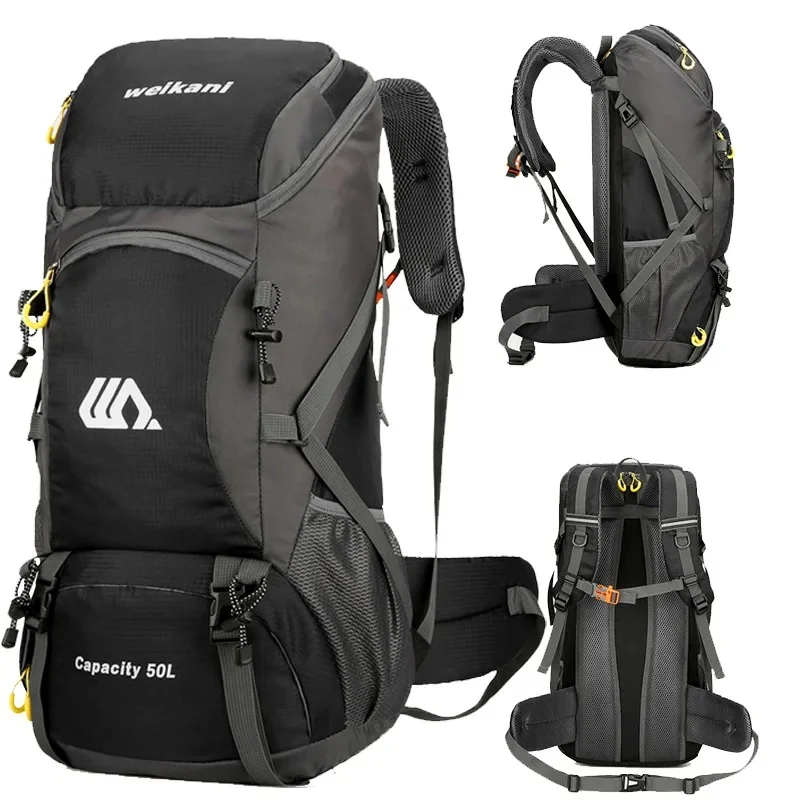
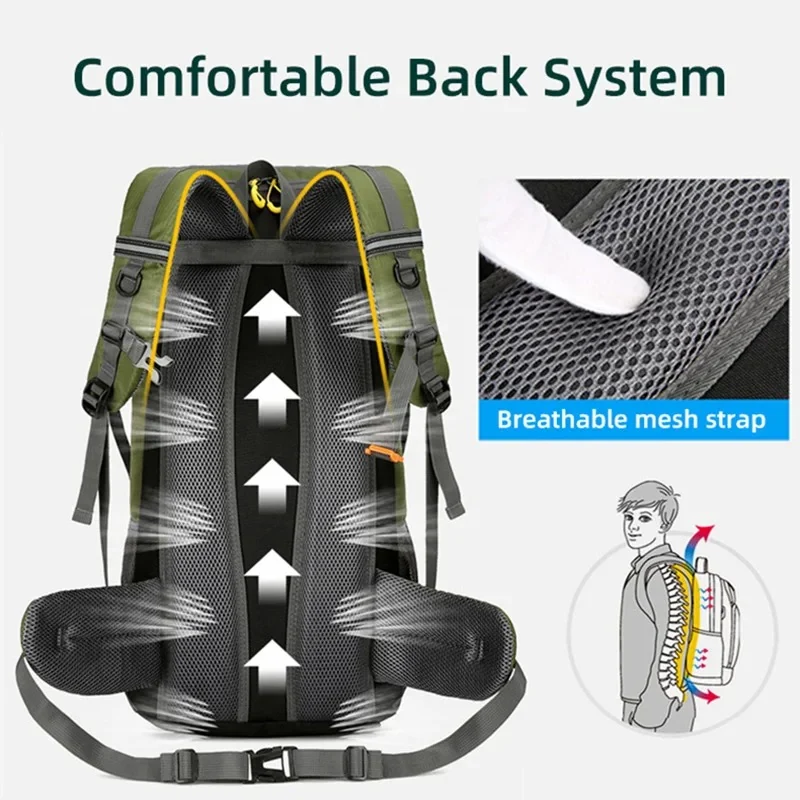
- A padded, ventilated back panel — a mesh-backed design like the one above is built to keep sweat from soaking straight through against your back, which matters far more over a full day than anything printed on the capacity label.
- A real hip belt with padding, not a webbing strap. A loaded pack should transfer most of its weight to your hips, not your shoulders — shoulder straps are there to stabilize the load, not carry it.
- Adjustable strap points, so the fit can be tuned rather than accepted as-is out of the box.
What separates a backpacking pack from a general travel bag
A lot of packs marketed for “hiking and travel” are really general duffels with straps added. What actually matters for backpacking specifically:
- A way to separate wet or dirty items from clean ones — a dedicated bottom compartment for boots or a wet layer is worth more on the trail than it sounds on a spec sheet.
- External compression straps, so a half-full pack doesn’t shift and swing with every step.
- Enough external attachment points for the things that don’t belong inside — a sleeping pad, wet gear, trekking poles.
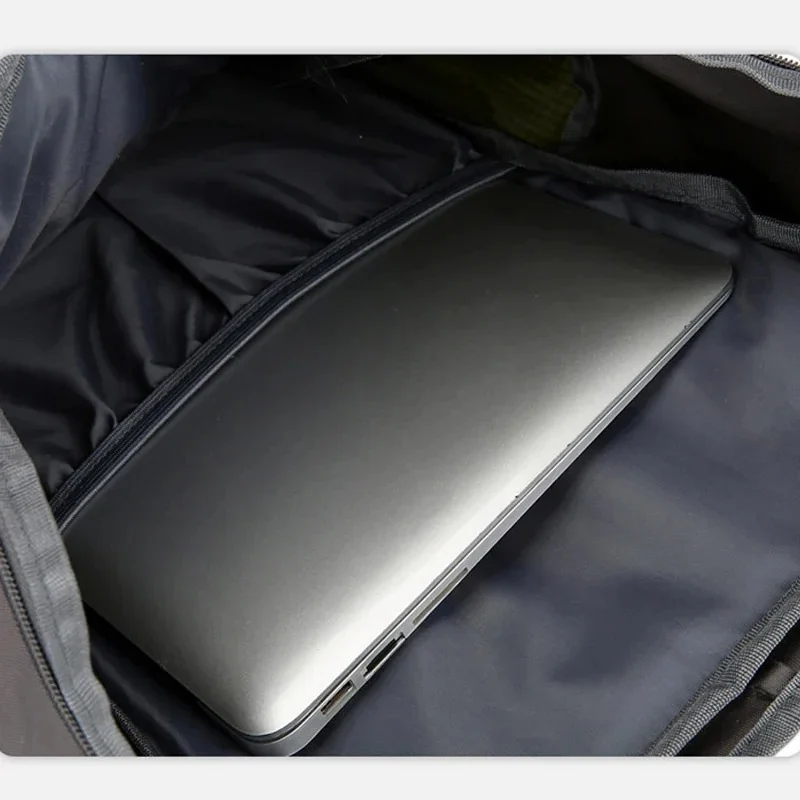
A laptop sleeve or a business-travel pocket, if a pack happens to have one, is a bonus for the trip there and back — not a feature that decides whether the pack works on the actual trail.
A practical checklist before you buy
- Measure your torso length; don’t guess from height alone
- Match capacity to trip length, not to “just in case”
- Check for a padded hip belt and a ventilated back panel, not just the capacity number
- Check the return policy — fit varies enough by body shape that trying it loaded is the only real test
Quick answers
How do I know what size backpacking pack I need? Match capacity to trip length first — 30–45L for an overnight or light weekend, 50–65L for three to five days, 65L+ only for winter loads or extended resupply-free stretches — then check that the back panel matches your torso length, not your height.
Is torso length or height more important for pack fit? Torso length. Two people the same height can need different pack sizes, because the distance from the base of the neck to the hips varies independently of overall height.
Should a backpacking pack carry weight on the shoulders or the hips? The hips. A padded hip belt is meant to carry most of the load; shoulder straps mainly stabilize it. A pack that’s digging into your shoulders usually means the hip belt isn’t sized or worn correctly.
Do I need a bigger pack than my trip actually requires, just in case? No — oversizing a pack usually means overpacking it, since empty space gets filled. Match capacity to the trip length breakdown and use compression straps to keep a lighter load stable instead.
The full kit pairs this with the Survival Cards deck — so you’re not only packed right, you know what to do when the day goes sideways.
Learn it properly, before you need it
Survival Cards turns this and 88 other skills into a deck you can play round a fire — $19, print at home. See what's inside →
Related guides
Backpacking Packing Checklist for Beginners (Overnight Trips)
An overnight backpacking checklist covering layering, shelter, sleep system, cooking, how to load the pack, and the weight tradeoffs beginners get wrong.
lightweight packing list for backpackingLightweight Packing List for Backpacking
A lightweight backpacking packing list for people who want a manageable pack weight without buying into full ultralight gear and its tradeoffs.
camping packing list by trip lengthCamping Packing List by Trip Length (Overnight to a Full Week)
What changes in your packing list as a trip gets longer — one night, a weekend, four or five days, a full week — and the short list that never changes.
day hike packing listDay Hike Packing List: What to Actually Bring (and Skip)
A practical day hike packing list covering clothing layers, water, food, and safety essentials — without the bloated 40-item lists that make you overpack.